February 17 - 24, 2000

Free speech
Big business 1, academic freedom 0
by Kristen Lombardi
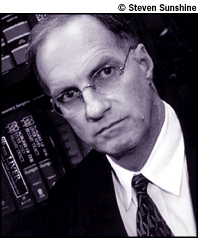
Chalk one up for big business. UMass surgeon William Meyers, under fire for having spoken frankly about the difficulties managed care poses for doctors and hospital administrators (see "Muzzled," News and Features, January 28), agreed February 9 to step down from his chief surgical post, effective next year.
The surgery-department chairman at UMass Memorial Health Care in Worcester reached a "mutually beneficial" agreement with administrators at UMass Memorial Medical Center and its partner, UMass Medical School. In a brief statement released to the Phoenix, UMass Memorial CEO Phillip Levine and UMMS chancellor Aaron Lazare wrote that "to secure our missions . . . and to initiate healing from harm, we commit ourselves to closing the dispute."
The settlement -- which pays Meyers an undisclosed yet assumed-to-be-hefty severance package -- lets everyone save face. Now Levine isn't seen as having forced Meyers out for his remarks; the surgeon is walking away with dignity; and the nasty scandal is fading.
Nevertheless, the whole messy business provides a chilling example to academic physicians everywhere of what can happen if they criticize -- or even speak freely about -- the increased corporatization of health care. As one medical professor laments, "It says something about the health, or lack of health, at the academic medical center."
Now that Meyers is resigning, the bizarre case will never be fully reviewed by a panel of "external experts" as planned. So no one will know what statement was offensive enough to cost the prestigious surgeon his job.
But everyone will see that even academics can get hurt by challenging the status quo.