Similarities
Theme and variation
by Jon Garelick
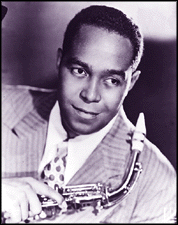
Read about a jazz legend often enough, and the wealth of new analysis and fresh anecdotes begins to run pretty thin. So when I read the November Vanity Fair excerpt by Geoffrey C. Ward from his and Ken Burns's Jazz: A History of America's Music (Knopf, 2000), the companion to the Burns documentary scheduled to air on PBS next month, I wasn't expecting any surprises. The piece, after all, was about Charlie "Yardbird" Parker, jazz legend über alles - transcendent musical genius, jazz martyr, dead at 34 after a life of transforming innovation and all manner of physical excess, especially with heroin and alcohol. Ward's piece rounds up all the usual suspects: Parker's early life (and musical humiliation) in Kansas City, his subsequent scuffling and bebop epiphany at Wall's Chili House in Harlem, his lionization and early death in March 1955 at New York's Stanhope Hotel. Ward tells it well, and weaves in less-worn testimony from fellow musicians such as Jay McShann, Claude "Fiddler" Williams, Gene Ramey, and, of course, Dizzy Gillespie. But when Ward - Burns's collaborator since The Civil War and the author of 12 other books, including a biography of Franklin Roosevelt - gets to Bird's death, the sense of déjà vu becomes overwhelming. Ward writes, "The official cause was pneumonia complicated by cirrhosis of the liver. But Parker had simply worn himself out." Which bears an embarrassing relationship to lines written by jazz critic Whitney Balliett in the New Yorker years ago in a piece called "Bird" and reprinted in Balliett's American Musicians II: Seventy-Two Portraits in Jazz (Oxford, 1998): "The official cause of death was lobar pneumonia, but Parker had simply worn out." Reached by e-mail, Ward responds: "I read Whitney Bailliett's wonderful piece along with a great number of other sources when writing my portrait of Parker and must have inadvertently squirreled away that formulation in my mind. Stupid, but not larcenous, I think." Fair enough.